Builders Waste Clearance in Mayfair
Understanding Builders Waste Clearance
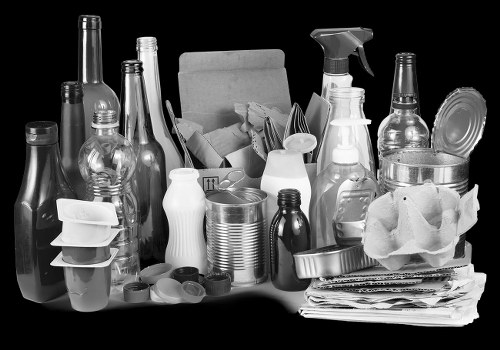
Managing construction waste is a critical aspect of any building project. Effective builders waste clearance ensures that sites remain clean, safe, and compliant with local regulations.
In Mayfair, where construction projects range from residential to commercial, the proper disposal of waste is not just a legal requirement but also an environmental responsibility.
Choosing the right waste clearance service can significantly impact the efficiency and sustainability of your construction project.
The Importance of Waste Clearance in Construction

Proper waste management minimizes the environmental footprint of construction activities. It helps in recycling materials, reducing landfill usage, and conserving natural resources.
Furthermore, maintaining a clean construction site improves safety for workers and reduces the risk of accidents caused by debris and clutter.
Compliance with waste disposal regulations in Mayfair is essential to avoid hefty fines and project delays.
Types of Construction Waste

Construction waste typically includes materials such as concrete, bricks, metals, wood, and plastics. Understanding the types of waste generated is crucial for effective clearance and recycling.
Certain materials, like asbestos or lead-based paints, require specialized handling and disposal methods due to their hazardous nature.
Separating recyclable materials from non-recyclable ones can enhance sustainability and reduce overall waste processing costs.
Choosing the Right Waste Clearance Service
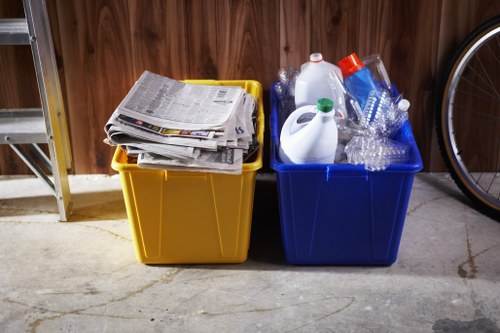
Selecting a reputable waste clearance service in Mayfair involves evaluating their experience, compliance with regulations, and commitment to sustainability.
Look for services that offer comprehensive solutions, including waste collection, sorting, recycling, and responsible disposal.
Customer reviews and certifications can provide insights into the reliability and quality of the service provider.
The Waste Clearance Process
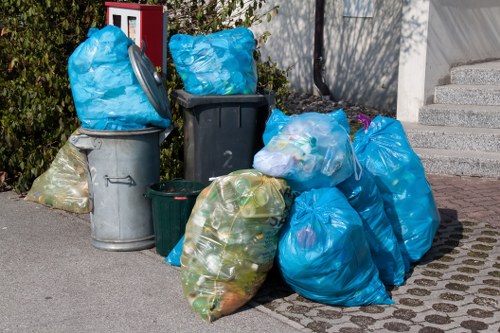
The waste clearance process typically starts with an assessment of the site to determine the volume and types of waste generated.
Following the assessment, a tailored clearance plan is developed, outlining the collection schedule, sorting procedures, and disposal methods.
Efficient execution of the plan ensures timely removal of waste, maintaining project timelines and site safety.
Environmental Benefits of Proper Waste Clearance
Effective waste clearance contributes to environmental conservation by promoting recycling and reducing landfill waste.
Recycling materials like metal, wood, and concrete can significantly decrease the demand for new raw materials, thus conserving natural resources.
Reducing landfill waste also lowers greenhouse gas emissions, contributing to a healthier planet.
Regulations and Compliance in Mayfair
Mayfair has strict regulations governing the disposal of construction waste. Non-compliance can result in severe penalties and project halts.
Staying informed about local waste disposal laws and working with compliant waste clearance services ensures adherence to legal standards.
Documentation and proper record-keeping are essential for demonstrating compliance during inspections.
Cost-Effective Waste Management Solutions
Investing in professional waste clearance services can lead to long-term cost savings by reducing waste disposal fees and minimizing project delays.
Efficient waste management practices enhance resource utilization, leading to better project budgeting and financial planning.
Many services offer scalable solutions tailored to the specific needs and budget of your construction project.
Advanced Recycling Techniques
Modern waste clearance services employ advanced recycling techniques to maximize material recovery and minimize environmental impact.
Innovations such as automated sorting systems and waste-to-energy technologies are transforming the waste management landscape.
Adopting these techniques enhances the sustainability of construction projects and supports circular economy initiatives.
Benefits of Hiring Professional Waste Clearance Services
Professional waste clearance services bring expertise, efficiency, and reliability to your construction project.
They handle all aspects of waste management, allowing you to focus on core project activities without logistical concerns.
Experience and knowledge of best practices ensure that waste is disposed of safely and responsibly.
Integrating Waste Clearance into Project Planning
Incorporating waste management into the initial project planning phase enhances overall project execution.
Clear waste management strategies help in setting realistic timelines and allocating appropriate resources.
Early integration ensures that waste clearance aligns with project milestones and reduces the risk of last-minute complications.
Recycling and Sustainability Practices
Adopting recycling and sustainability practices in waste clearance supports environmental stewardship and corporate social responsibility.
Implementing measures like material segregation, using recyclable packaging, and partnering with eco-friendly waste processors enhances sustainability efforts.
These practices not only benefit the environment but also improve your project's reputation and stakeholder trust.
Innovative Waste Clearance Solutions
Innovation in waste clearance is driving more efficient and environmentally friendly solutions in the construction industry.
Technologies such as AI-driven sorting systems and mobile waste processing units are revolutionizing waste management.
Staying abreast of these innovations can provide competitive advantages and enhance project outcomes.
Common Challenges in Builders Waste Clearance
Challenges such as unexpected waste volumes, handling hazardous materials, and navigating regulatory requirements can complicate waste clearance.
Partnering with experienced waste clearance services helps in overcoming these obstacles through expertise and resource availability.
Proactive planning and risk management strategies are essential to address potential challenges effectively.
Future Trends in Waste Clearance
The future of waste clearance in Mayfair is leaning towards greater automation, increased recycling rates, and more stringent regulations.
Emerging trends include the use of smart waste management systems and the integration of circular economy principles.
Staying informed about these trends can help businesses adapt and thrive in a rapidly evolving landscape.
Conclusion
Builders waste clearance is a vital component of successful construction projects in Mayfair. It ensures environmental compliance, enhances site safety, and promotes sustainability.
By partnering with professional waste clearance services, builders can efficiently manage waste, reduce costs, and contribute positively to the environment.
Investing in effective waste management strategies is not just beneficial but essential for the long-term success and reputation of construction projects.
Contact us today to ensure your construction project in Mayfair is supported by top-notch waste clearance services.