Trash Talk: Ways Societies Addressed Waste Across Ages
Throughout history, human civilizations have grappled with the pressing issue of waste management. From the earliest settlements to our modern urban landscapes, how societies handle trash and refuse reflects not only technological capabilities but also cultural attitudes and priorities. This comprehensive article explores the fascinating evolution of waste disposal methods, the cultural contexts behind them, and how innovative waste management solutions shape communities both past and present.
The Origins of Trash: Waste in Ancient Societies
Early Settlements and Ingenious Reuse
In prehistoric times, humans produced minimal waste due to the scarcity of materials and emphasis on resourcefulness. Most tools and goods were made from biodegradable materials such as wood, bones, stones, and plant fibers. When an object outlived its use, it would decompose naturally or be repurposed.
- Stone Age: Implements and weapons repurposed, and organic waste used for compost or animal feed.
- Neolithic villages: Landfills often emerged as refuse layers, with decomposed organic matter contributing to fertile soil.
Archaeological digs at sites such as Catalhoyuk in Turkey have revealed ancient trash heaps, or middens, signifying both the development of permanent settlements and the growing accumulation of waste.
The Rise of Cities and Structured Waste Systems
As societies urbanized in Mesopotamia, Ancient Egypt, and the Indus Valley, waste management became increasingly complex. Cities had to address not only household refuse but also the byproducts of trade, production, and animal husbandry.
- Indus Valley Civilization: Noted for early urban sanitation, featuring covered drains and designated dumping areas, showing a sophisticated approach to urban waste.
- Babylonian and Assyrian cities: Utilized rudimentary drainage and incineration of waste, especially during festivals or urban renewal projects.
Societal wellbeing and public health became tied to efficient waste management, marking the beginnings of official efforts to control urban refuse.

Antiquity and Waste: From Greece and Rome to Asia
Ancient Greece: The Dawn of Waste Regulation
By the fifth century BCE, Athens implemented one of the first known municipal dumping regulations. Citizens had to dispose of waste at a minimum distance from city walls to limit filth and disease within urban areas.
- Public awareness: Laws prohibited street dumping, and fines were levied for noncompliance.
- Reuse culture: Broken ceramics were repurposed as writing tablets or construction material.
Roman Innovations in Sanitation
The Romans advanced waste management with their elaborate aqueducts, sewers, and public bathhouses:
- Cloaca Maxima: One of the world's earliest major sewer systems, channeling waste away from central Rome.
- Collective latrines: Urine and organic wastes were collected for industrial uses, such as tanning leather or bleaching fabrics.
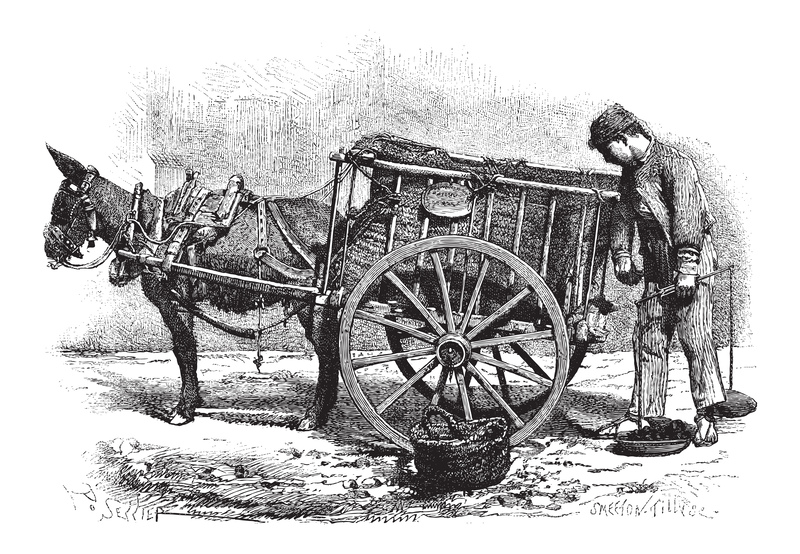
Street cleaning became the responsibility of public officials, and organized garbage carts collected refuse from wealthier neighborhoods.
Waste Traditions in Ancient China
Waste disposal also evolved in the East. Ancient Chinese cities practiced night soil collection--gathering human and animal waste for use as agricultural fertilizer. This sustainable circle minimized waste and replenished the land, emphasizing the interconnectedness of human and environmental health, a concept deeply rooted in subtle Confucian and Taoist principles.
Middle Ages: Neglect and Nuisances
Urban Filth and Disease
The collapse of the Roman Empire meant many established sanitation practices deteriorated, especially in medieval Europe. Crowded towns and stagnant infrastructure turned cities into dumps:
- Street dumping: Refuse, offal, and chamber pot contents were commonly thrown into open gutters.
- Odor and disease: Plagues and outbreaks were exacerbated by such unsanitary conditions.
In some cities, however, efforts were made to control waste. For example, London appointed "rakers" to remove and haul rubbish outside the city during the 14th century, an early sign of specialized waste collection services.
Islamic Golden Age
Islamic cities, including Baghdad and Cordoba, often featured more advanced sanitation compared to their European contemporaries. Some municipal ordinances required homeowners to maintain clean streets and prohibited the dumping of waste into waterways.
- Bathhouses: Frequent use helped improve hygiene and reduced waste buildup.
- Street cleaning guilds: Emphasized by local authorities to maintain a clean urban environment.
Waste Management in the Early Modern Period
Renaissance and Resource Recovery
During the Renaissance, the demand for materials and the development of new crafts led to increasing waste production. Glassmakers in Venice, for instance, isolated waste glass to prevent hazardous fires but also melted down shattered pieces for reuse, laying the groundwork for recycling.
- Composting: Animal and food waste was composted for fields.
- Informal recycling: Ragpickers and scavengers played a crucial role in collecting reusable items from refuse.
Colonial Cities and Growing Pains
Urban centers in the Americas and Asia--such as Mexico City, Boston, and Calcutta--struggled to manage mounting trash as populations soared.
- Landfills: Early forms of controlled disposal sites, distant from city boundaries, became standard practice.
- Scavenging communities: Emerged as informal recycling agents, creating cottage industries around waste reclamation.
The Industrial Revolution: Trash Takes Center Stage
The Industrial Revolution dramatically increased the complexity and volume of waste. Mass production created new, non-biodegradable trash such as plastics, metals, and chemicals.
- Municipal waste collection: Cities hired regular garbage collectors, inaugurating the modern sanitation workforce.
- Incineration: Early "destructors" incinerated municipal waste, reducing landfill pressure but causing air pollution.
- Public health campaigns: Linked tidy streets and well-managed waste with reduced epidemics and higher quality of life.
The rise of household packaging, coupled with the decline of reusable containers, forced cities to invent new waste management solutions that persist today.
Modern Society: The Waste Challenge Continues
Consumer culture and global trade now generate waste on an unprecedented scale. Yet, innovative approaches across the world illustrate both progress and ongoing challenges.
Contemporary Approaches to Trash Management
Recycling and Resource Recovery
Late 20th and early 21st century initiatives have focused on recycling as a way to reduce landfill pressures and conserve raw materials. Municipalities worldwide encourage residents to sort glass, paper, metals, and plastics.
Japan's detailed separation system and Germany's "Green Dot" program both serve as models of waste-sorting efficiency.
Waste-to-Energy
- Incineration innovations: Modern plants harness landfill gas and incinerate trash to create power while filtering toxic emissions.
- Biogas production: Anaerobic digestion of organic waste for fuel and compost use, particularly effective in Sweden and Denmark.
Zero Waste and Circular Economies
Zero waste philosophies urge manufacturers and consumers alike to minimize or eliminate waste by reusing, repairing, and composting. Young cities like San Francisco have set ambitious zero-waste targets, inspiring global emulation.
- Extended Producer Responsibility (EPR): Companies must reclaim packaging and obsolete products, driving eco-friendly design.
- Upcycling: Artistic and industrial innovations breathe new life into castoffs.
The circular economy concept aims to keep materials in use as long as possible, mimicking the self-renewal seen in nature.
Challenges and Opportunities: The Future of Waste Management
Despite advances, pressing issues remain. E-waste--from electronics--poses environmental hazards if not disposed of properly. Ocean plastic pollution threatens marine life and human health. Developing countries often lack infrastructure for safe waste collection and landfill operation.
Yet, creative technologies offer hope:
- Smart bins and IoT: Sensors optimize collection routes and minimize overflows in cities like Seoul and Singapore.
- Biodegradable materials: Innovations in bioplastics and edible packaging may reduce future landfills.
- Global cooperation: International accords, such as the Basel Convention, aim to curb the illicit trade and dumping of hazardous refuse.
The Importance of Education and Cultural Change
Ultimately, any waste management solution depends on public awareness and cultural acceptance. Municipal campaigns, school programs, and grassroots initiatives help individuals understand the impact of their waste and their role in proper disposal.
- Community clean-ups: Foster civic pride and direct action.
- Consumer choices: Climate labeling and sustainable packaging encourage responsible behavior.
Conclusion: Lessons from the Past, Directions for the Future
Human ingenuity, adaptability, and cooperation have shaped waste management practices across all ages. From ancient compost piles and organized collection services to today's smart recycling systems, each era offers lessons for our ongoing environmental crisis. Our relationship with trash is not just a technical problem--it's a reflection of societal values, priorities, and our willingness to steward the planet.
By blending historical insight, present-day innovation, and a communal spirit, societies can continue addressing waste in ways that are smarter, fairer, and more sustainable for generations to come.
Frequently Asked Questions About Trash Management Across the Ages
- What is the oldest form of waste management?
Composting and midden creation--piling up refuse and letting organic material decompose naturally--are among humanity's first forms of waste disposal. - Which civilization first regulated trash disposal?
Ancient Athens implemented municipal dumping rules around 500 BCE, arguably enacting the first formal trash regulation. - What are modern societies doing to reduce waste?
Recycling, waste-to-energy, zero waste policies, and circular economies all represent contemporary approaches to shrinking the waste stream and recovering resources. - What role can individuals play in managing trash?
Sorting recyclables, composting organics, minimizing single-use packaging, and supporting sustainable brands all contribute to better waste outcomes.
For more tips on sustainable living and waste-wise practices, follow our blog and join the conversation about shaping a cleaner, more circular future.
```