Manufacturing waste is a major concern for industries worldwide. Not only does it lead to increased costs, but it also poses significant environmental challenges. In the quest for sustainable industry practices, it is crucial to explore and implement strategies that can effectively limit waste in manufacturing processes. This comprehensive guide provides insights into various high-impact techniques that can significantly reduce manufacturing waste.
Understanding Manufacturing Waste
Before diving into the strategies to minimize waste, it's important to understand the types and causes of waste in the manufacturing sector. Manufacturing waste can be categorized into several types, including:
- Material waste: Excess raw materials that go unused.
- Defective products: Items that do not meet quality standards and are discarded.
- Overproduction: Producing more products than needed, leading to wasted resources.
- Energy waste: Excessive use of energy resources during production.
- Time waste: Inefficiencies in the production process that cause delays and increase costs.
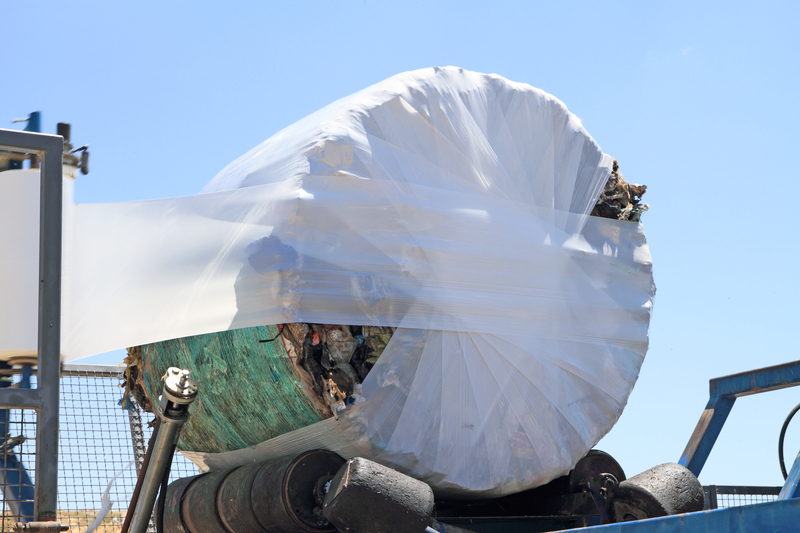
High-Impact Techniques to Reduce Manufacturing Waste
1. Implement Lean Manufacturing
Lean manufacturing is a systematic approach that focuses on eliminating waste within manufacturing systems while maximizing productivity. The core idea is to achieve more with fewer resources by streamlining processes and continuously improving operations.
- Adopt techniques such as Just-in-Time (JIT) production to minimize inventory waste.
- Implement 5S methodology (Sort, Set in order, Shine, Standardize, Sustain) to improve workplace organization and efficiency.
2. Embrace Recycling and Reuse Strategies
Integrating recycling and reuse into the manufacturing process can significantly reduce waste. Here are some ways to do so:
- Utilize scrap materials by repurposing them in the production process.
- Invest in technologies that support recycling initiatives, such as equipment for shredding or melting materials.
- Encourage the repurposing of defective products when possible.
3. Optimize the Design Process
The design phase has a critical impact on waste generation. By optimizing this stage, companies can reduce their overall waste footprint. The following strategies are key:
- Utilize advanced computer-aided design (CAD) tools to create efficient designs that minimize material use.
- Design products with modular components to facilitate easier repair and recycling.
4. Leverage Automation and Technology
Technology plays a vital role in minimizing manufacturing waste. Here's how:
- Invest in automated systems to enhance precision and reduce errors.
- Implement sensor technologies to monitor and control resource use in real time.
- Utilize predictive maintenance technologies to reduce machine downtime and associated waste.
5. Enhance Employee Training and Engagement
Employees are integral to reducing waste. Well-trained staff can identify wasteful processes and suggest improvements. Consider the following:
- Conduct regular training sessions focused on waste reduction techniques.
- Engage employees in waste reduction initiatives by establishing incentive programs.
Additional Strategies for Waste Minimization
Aside from the primary methods mentioned above, industries can adopt additional strategies to minimize manufacturing waste. These include:
- Material Substitution: Use alternative materials that generate less waste or are more sustainable.
- Supplier Optimization: Work closely with suppliers to ensure raw materials align with sustainability goals.
- Lifecycle Assessment: Conduct assessments to identify opportunities for reducing environmental impact throughout a product's lifecycle.

Benefits of Reducing Manufacturing Waste
Limiting manufacturing waste offers numerous benefits, including:
- Cost Savings: Efficient resource use leads to reduced production costs.
- Environmental Impact: Reduced waste contributes to lower pollution levels and a smaller carbon footprint.
- Compliance: Adhering to regulatory requirements for waste management avoids legal penalties.
- Enhanced Reputation: Commitment to sustainability can improve brand image and customer loyalty.
Conclusion
The importance of limiting manufacturing waste cannot be overstated. By integrating high-impact techniques such as lean manufacturing, recycling, and technology adoption, industries can significantly cut down on waste. Not only do these strategies lead to economic efficiency, but they also bolster sustainability efforts. As a result, companies can achieve a significant reduction in waste while enhancing their brand's reputation and fulfilling their environmental responsibilities.
Incorporating these waste reduction methods requires commitment and a strategic approach but offers substantial long-term benefits for both industries and the environment. As the global emphasis on sustainable practices continues to grow, now is the time for manufacturers to take decisive action to minimize waste.